




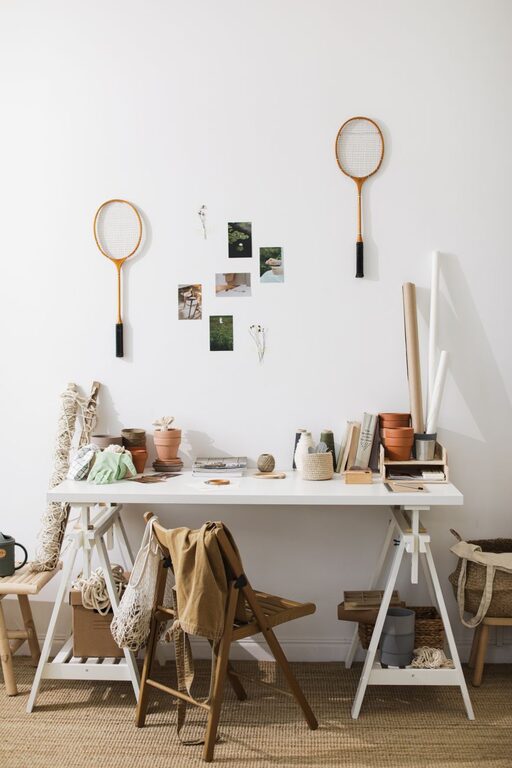

Simple Ways to Reduce Noise at Home for a Quieter Space
Living in a noisy environment can be stressful and distracting. Whether it’s loud traffic, noisy neighbors, or the sounds inside your own home, reducing noise can make a big difference in your comfort and well-being. Fortunately, you don’t have to invest in expensive renovations to create a quieter space. This post will explore simple, practical ways to reduce noise at home and enjoy a more peaceful atmosphere.
Understanding Noise and Its Impact
Noise is any unwanted sound that disrupts your peace. Common sources of noise at home include street traffic, appliances, conversations, and even footsteps. Excessive noise can lead to stress, difficulty concentrating, and disrupted sleep. By addressing noise, you can improve your quality of life significantly.
Simple Steps to Reduce Noise at Home
1. Use Soft Furnishings to Absorb Sound
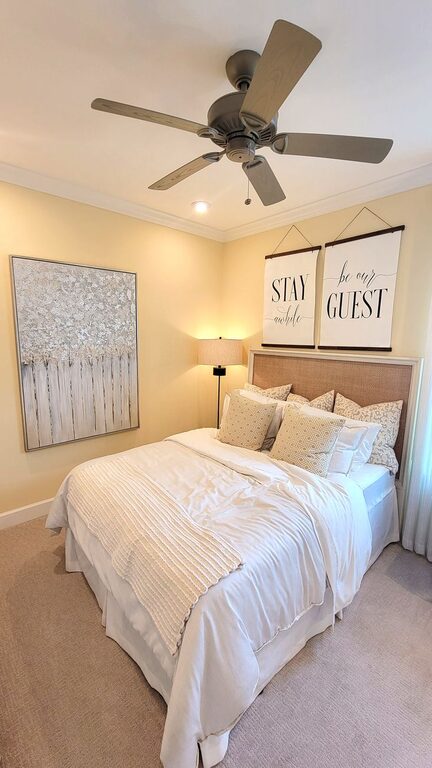
Hard surfaces like wood floors, tile, and bare walls reflect sound, often making noise louder and more persistent. Adding soft furnishings helps absorb sound waves and reduce echo.
– Rugs and Carpets: Place rugs or carpets on hard floors to absorb footsteps and reduce noise.
– Curtains and Drapes: Heavy curtains not only block light but also help muffle outside noise.
– Upholstered Furniture: Sofas, cushions, and padded chairs soften sound reflections within rooms.
2. Seal Gaps Around Doors and Windows
Sound can easily travel through gaps and cracks around doors and windows. Sealing these spaces can significantly reduce noise coming from outside or other rooms.
– Weatherstripping: Apply adhesive foam or rubber weather stripping along door and window edges.
– Door Sweeps: Install door sweeps at the bottom of doors to block sound leaks.
– Caulking: Use caulk to fill small cracks around window frames and door jambs.
3. Rearrange Furniture Strategically
How you arrange your furniture can influence how sound travels in a room.
– Place bookshelves or large furniture pieces against walls that face noisy streets or shared walls.
– Use furniture clusters to break up open spaces and reduce sound reverberation.
– Create a cozy nook with soft seating in quieter areas of your home for focused work or relaxation.
4. Add Sound-Absorbing Panels and Decorations
If you’re looking for a simple decorative way to reduce noise, sound-absorbing panels and wall hangings can help.
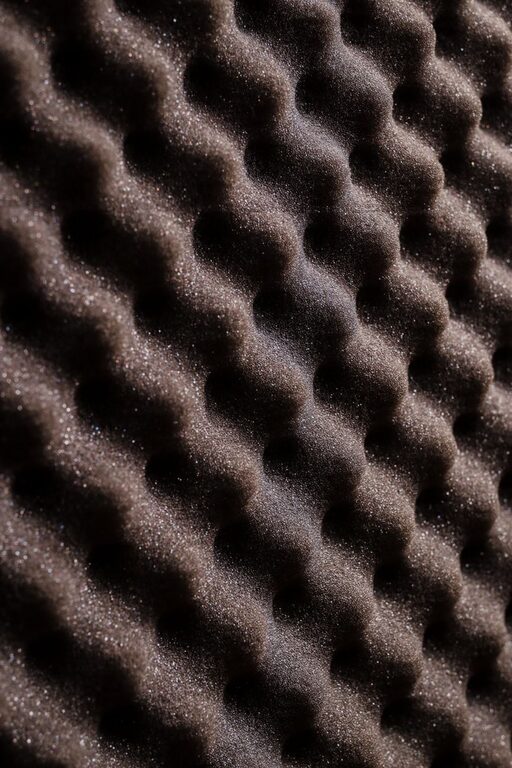
– Acoustic Panels: These specially designed panels can be hung on walls to absorb sound.
– Tapestries and Fabric Wall Hangings: Large textile decorations soften sound reflections.
– Wall Art with Sound-Absorbing Materials: Some art pieces are designed with acoustic properties.
5. Manage Noise from Appliances
Appliances like refrigerators, washing machines, and HVAC systems can create background noise.
– Keep appliances well-maintained to reduce unusual noises.
– Place washing machines on vibration-absorbing mats.
– Consider upgrading to quieter, energy-efficient models if noise is a consistent problem.
6. Use White Noise to Mask Unwanted Sounds
Sometimes, it’s impossible to fully eliminate noise. White noise machines or apps can help mask disturbing sounds by providing a consistent, calming background hum.
– Use white noise during sleep to block street sounds.
– Play soothing sounds like rain or ocean waves during work or study.
When to Consider Professional Solutions
If noise issues persist despite these simple measures, professional soundproofing may be necessary. This could include installing double-glazed windows, adding insulation inside walls, or building soundproof doors. Consulting an acoustic specialist can help identify the best solutions for your specific needs.
Maintaining a Quiet Home
Reducing noise is an ongoing process. Here are some tips to keep your home peaceful:
– Regularly check and maintain door and window seals.
– Declutter rooms to prevent hard surfaces from amplifying sound.
– Encourage quiet habits like lowering music volume and closing doors gently.
Final Thoughts
Creating a quieter home environment doesn’t have to be complicated or expensive. By incorporating soft furnishings, sealing gaps, rearranging furniture, and managing appliance noise, you can enjoy a more peaceful space. These simple steps improve not only your comfort but also your overall well-being.
A quieter home means better rest, improved focus, and a calmer atmosphere for you and your family. Start with these easy tips and create your personal oasis of calm today.