



Tips for Keeping Kids’ Art Organized and Enjoyable
If you’re a parent or caregiver, you know how quickly kids can fill your home with their colorful creations. From finger paintings to paper collages, children’s artwork is a wonderful record of their growth and imagination. However, without a good system, these cherished pieces can start to pile up and create clutter. The good news is that organizing kids’ art can be simple, fun, and even part of the creative process itself.
In this post, we’ll explore practical tips and ideas for keeping your child’s artwork organized, so you can enjoy their masterpieces while keeping your space neat and tidy.
Why Organize Kids' Art?
Before diving into specific tips, it’s helpful to understand why organizing kids’ art matters:
– Preserves memories: Artwork is a visual record of your child’s development and creativity.
– Reduces clutter: Without a system, art projects can take over drawers, counters, and walls.
– Teaches organization skills: Involving children in organizing helps build good habits.
– Creates displays: Organized art can be showcased, encouraging confidence and pride.
1. Create a Dedicated Art Space
Having a specific spot for art supplies and finished projects helps keep things contained.
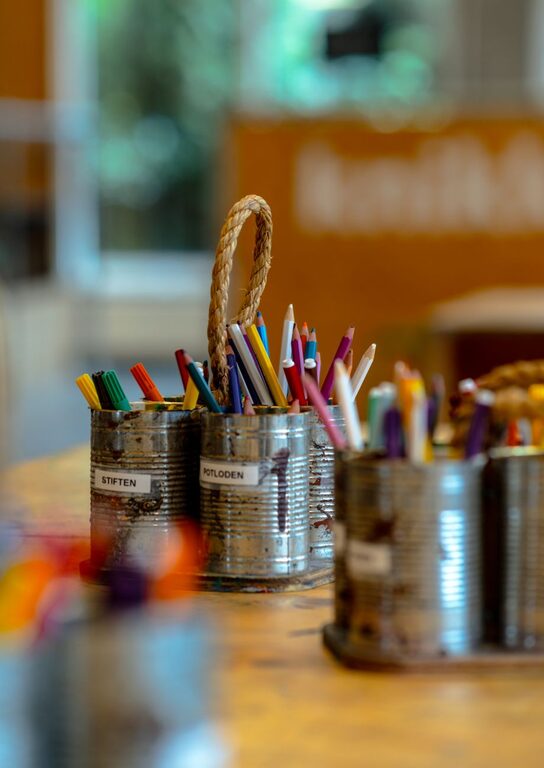
– Art Bin or Caddy: Store markers, crayons, glue, and scissors together so everything is easy to find.
– Shelf or Drawer: Use a labeled bin or drawer to hold completed artwork temporarily before sorting.
– Display Area: Dedicate a wall, refrigerator space, or bulletin board for rotating displays of favorite pieces.
2. Sort and Curate Regularly
To avoid overwhelming piles, make it a habit to review art collections regularly.
– Weekly or Monthly Review: Go through new artwork with your child and pick favorites.
– Keep, Gift, or Recycle: Decide which pieces to keep long-term, which to gift to family members, and which can be recycled.
– Limit the Keepers: Select a reasonable number of pieces to save, such as 10-15 per year.
3. Use Storage Solutions That Work
Choose storage options that match your space and style preferences.
– Portfolios or Art Folders: Large, flat folders keep drawings and paintings neat and protected.
– Storage Boxes: Plastic bins or decorative boxes can hold three-dimensional projects.
– Binders with Plastic Sleeves: Perfect for smaller or flat pieces; you can categorize by age or theme.
– Digital Storage: Photograph or scan artwork and organize images in folders on your computer or cloud storage.
4. Turn Art into Practical Items
Turning art into useful objects reduces clutter while celebrating creativity.
– Photo Books: Collect digital images of art and create printed photo books that are easy to store.
– Greeting Cards: Cut and repurpose parts of artwork into homemade cards for holidays and birthdays.
– Wrapping Paper: Use larger drawings as unique gift wrap for family presents.
– Magnets or Coasters: Several online services allow you to convert artwork into magnets, coasters, or other keepsakes.
5. Display Art Creatively
Showcasing artwork can be a joyful way to enjoy your child’s creativity.
– Gallery Wall: Frame a selection of art in matching frames and rotate pieces regularly.
– Clipboards: Hang clipboards to easily swap out new art.
– Wire and Clips: String wire across a wall and use clothespins to hang pieces.
– Cork Boards: Create a pinboard area where kids can arrange their own displays.
6. Involve Your Child
Make organization a shared project to empower your child.
– Decision Making: Let kids choose which pieces to save or display.
– Labeling: Encourage them to write dates or titles on their artwork.
– Creative Storage: Have them decorate folders or boxes to personalize storage.
7. Set Limits While Celebrating Effort
While it’s important to honor your child’s creativity, setting boundaries helps with long-term organization.
– Storage Space Limits: Once storage is full, review what to keep and what to let go.
– Quality Over Quantity: Emphasize the effort and process, not just the number of artworks.
– Encourage Digital Creativity: Introduce drawing and painting apps that allow unlimited creativity without physical clutter.
Bonus Tip: Make It a Routine
Keeping kids’ art organized works best when it becomes a regular habit.
– Choose a consistent time, such as after art time or before cleaning up.
– Use it as an opportunity to talk about creativity and memory.
– Celebrate milestones with a special review or display refresh.
—
By implementing these tips, you can create an organized, inspiring space that honors your child’s artistic journey without feeling overwhelmed by clutter. Remember, the goal is to enjoy their creativity and make organizing part of the fun!